Soya Nutribar

Interviews

San Salvador’s Secret Garden Café: Soya Nutribar

November 2026

This interview has been edited and condensed for clarity.

Tell us about yourself and what inspired the creation of Soya Nutribar.

I’m a doctor with a degree in conventional medicine specializing in alternative medicine. My treatment approach typically starts with a clean, healthy, anti-inflammatory, and preservative-free diet.

I was inspired to create Soya because I saw there were very few options for this type of diet in El Salvador. I would ask my patients to eat a clean diet and look for natural foods and preservative-free products, but there simply wasn’t enough of it on the market.

What is the vision and mission underpinning Soya Nutribar?

Soya is a place where we believe in alternative and regenerative medicine and agriculture. The vision behind Soya was to make a healthy diet available to my patients and promote this diet and the lifestyle associated with it.

I couldn’t ask my patients to do something that didn’t really exist, so the mission was to make it easier for them to eat a clean, healthy diet and to teach them how to do so at home.

How did Soya Nutribar start, and how did it evolve into the market restaurant we see today?

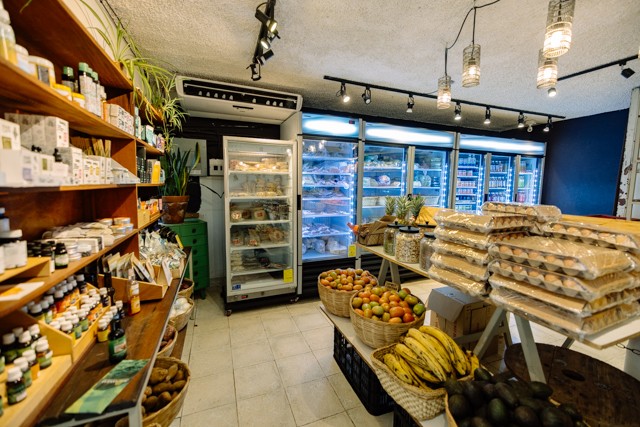
Soya started in El Tunco Beach as a small juice bar with just a few food items. Little by little, we moved into the city and opened a slightly larger juice bar. Then we evolved into a market and, most recently, added the restaurant.

What can people expect when they visit Soya Nutribar?

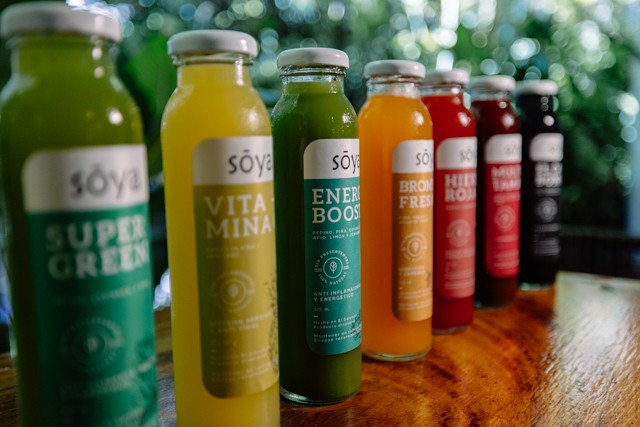
At the market, we offer only natural, preservative-free products. All our branded items are made entirely in-house using fresh produce. They’re also all free of preservatives and artificial colors, and we don’t use sugar or refined flours.

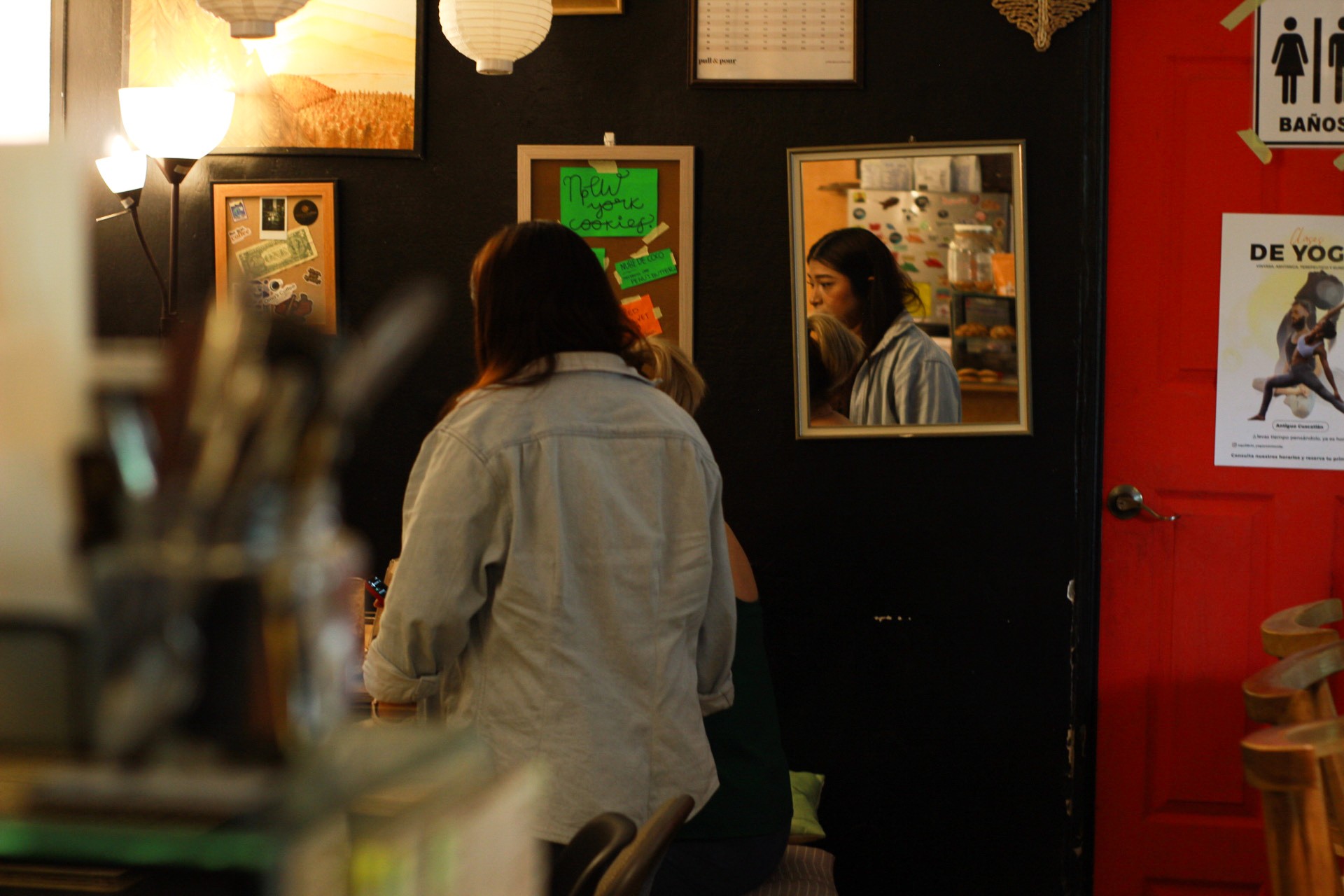
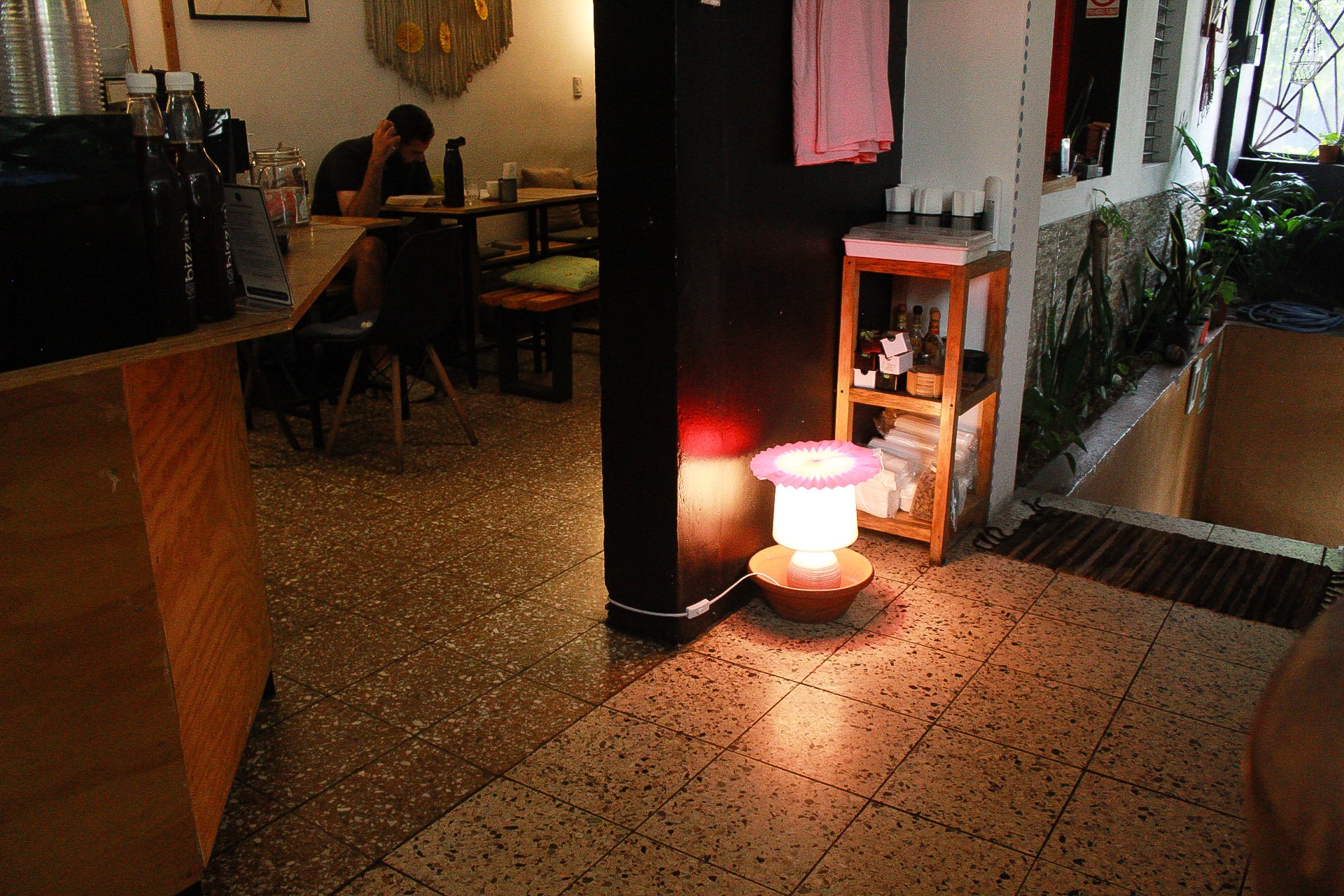
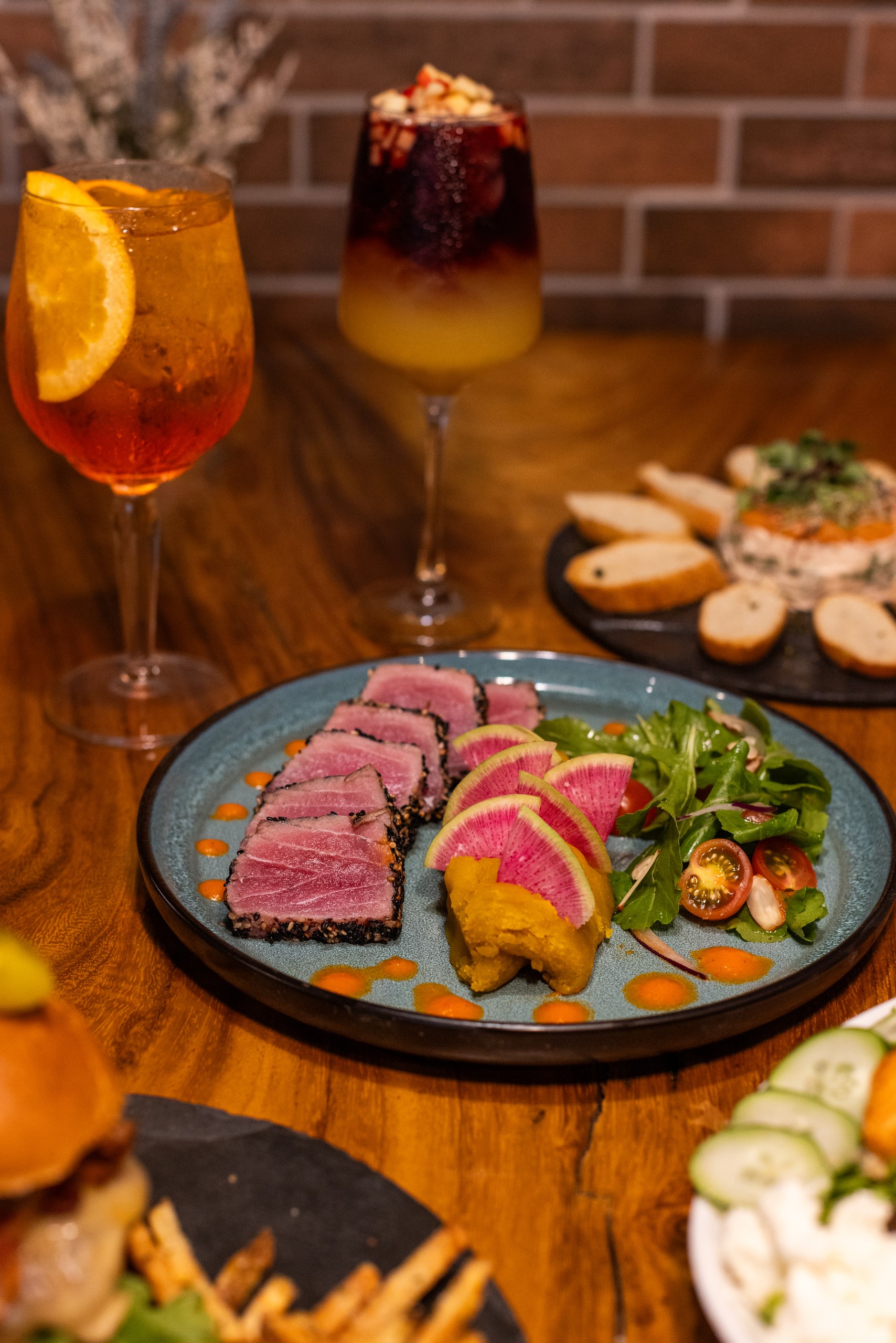
In the restaurant, guests can expect a relaxed atmosphere in a natural setting where they are surrounded by nature. Here we transform fresh ingredients and our products from the market into dishes that help our patients and customers see how they can incorporate them into their diet.
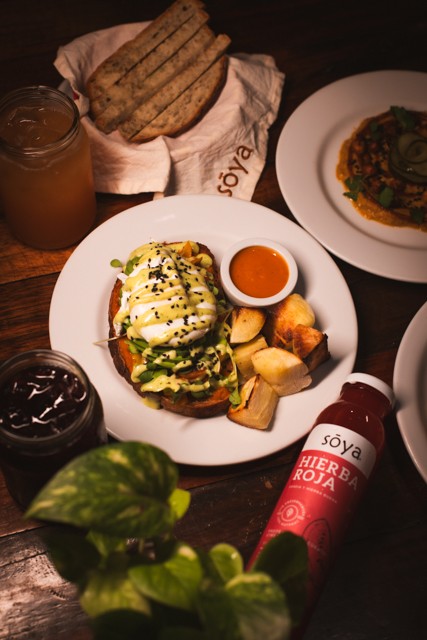
Soya Nutribar, Zona Rosa, San Salvador

What are some of the customer favorites at Soya Nutribar?

From the market, the cold-pressed juices and plant-based milks are what our customers really love.

In the restaurant, chilaquiles are a breakfast favorite, and we have some delicious ones made with pelibuey (a flavorful sheep meat that is part of Salvadoran food culture). For lunch and dinner, the ramen and grilled chicken sandwich are definitely the most popular dishes.

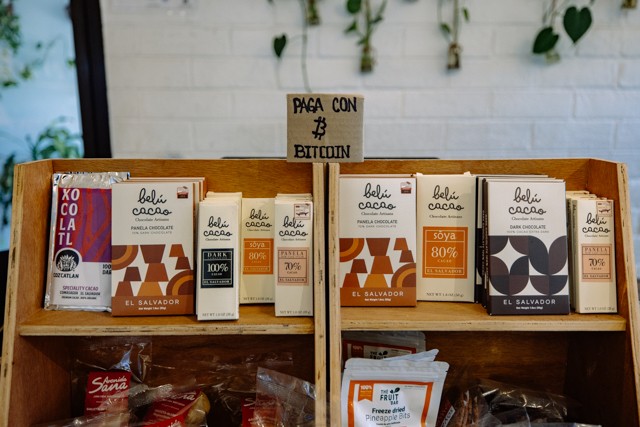
When and why did Soya Nutribar start accepting bitcoin?

We started accepting bitcoin a little over four years ago. We were motivated to do so because there was a real shift in the number of people becoming interested in Bitcoin and a growing number of customers wanting to pay with it. We wanted to make it easier for them.

How does Bitcoin align with Soya Nutribar’s mission and vision?

What strikes me—and I think this is why many people who believe in Bitcoin come to places like Soya—is that we’re both examples of alternative systems. We’re going against the grain.

“At Soya, we believe in alternative medicine, regenerative medicine, and regenerative agriculture—and all of that ties into Bitcoin’s sovereignty and self-sufficiency.”

How has accepting bitcoin affected business at Soya Nutribar?

Accepting bitcoin has had a positive impact on us because there are customers who want to spend bitcoin. Giving them that option makes it more convenient for them, and I feel like it’s brought us more customers.

What’s next for Soya Nutribar?

Soya is deviating from the current trend—still focused on healthy, clean food—but with a more meat-oriented approach. We’re using organic options, seeking out new suppliers, and reaching out to farmers nationwide who are committed to organic and regenerative farming. That is the next step in the Soya story.
Follow

Read More Interviews

Read More Interviews

Continue reading

Omas coffee shop

Interviews

Oma’s Coffee Shop: Specialty Coffee With Neighborhood Hospitality

November 2026

When you step into Oma’s Coffee Shop, a vibe change washes over you. There is a steady pace here, and a warm decor that impresses upon you a welcoming, homely vibe.

“The name ‘Oma’ comes from the German word for ‘grandmother’,” the owner, Christian, explains. “The idea also stems from finding yourself in the warmth of a home. I always saw that at my grandmother’s house… her kitchen was magical. You’d walk in, and she’d serve you an amazing cup of coffee.”

Christian’s grandmother often hosted a large community of guests, and “she shared a lot.” The love, care, and hospitality Christian watched his grandmother bring to her visitors is mirrored by the team at Oma’s, who are often praised for their attention to detail, knowledgeability, and passion for their work.

His grandmother made everything the traditional way, growing her own coffee, grinding it on volcanic rocks, and roasting it on a clay bed; according to Christian, “she had a knack for knowing exactly when that coffee would be just right.” But while Oma’s is rooted in Christian’s grandmother’s values of hospitality, they use modern, specialty techniques to make coffee.

Christian focuses on using specialty Salvadoran beans that can be traced back to the slope on which they were grown, and to the farmer who grew them. “What really inspired us to open a specialty coffee shop was seeing the momentum the country has right now toward specialty coffee. All the amazing coffee grown right here in the country has to be shipped elsewhere, right? So why not try it here? Why not enjoy it?”

For Christian, it is also about sharing what this means and, most importantly, doing so in a friendly, non-pretentious way that enhances Oma’s warm, welcoming vibe.

“It was simply a challenge for us to change people’s mindset—or rather, their understanding of what specialty coffee is.”

Oma’s Coffee Shop, Antiguo Cuscatlán

Inspired by his grandmother, Christian focuses on curating a community feel at Oma’s, continually engaging with the local community. On top of being one of the only pet-friendly coffee shops in the area, Oma’s also hosts pop-ups, bringing local creatives and producers into the space to sell their wares, and works with local chefs in pop-up-style events, giving them a platform to showcase their food to a new crowd while also bringing in new customers.

Oma’s adoption of Bitcoin in 2025 ties together their values of hospitality and desire for creating community: “We really do get visitors from almost all over the world, and they’ve always been asking us whether we accept this type of payment. We can’t just say no to them, can we? In addition to this, there are also customers who come in, see the word ‘Bitcoin’ and then take the initiative to try it out themselves.”

Ultimately, for Christian, “it’s important to us to serve with love and to put our hearts into it—that’s what sets us apart—so that our customers always feel at home. And that’s what Oma’s Coffee Shop was all about.”

Follow


Read More Interviews

Read More Interviews

Continue reading

Gourmandises

Interviews

French Burgers with Bitcoin in El Salvador: Gourmandises

November 2026

In 2014, Verónica “Vero” Marenco discovered she had celiac disease, along with multiple other allergies. As a trained chef who’d learned her craft at the renowned culinary school Le Cordon Bleu in Paris, France, Vero took up the challenge of creating a restaurant that she would be able to visit as a celiac—but one she would also love to visit if not.

“We couldn’t find any restaurants here in El Salvador that were suitable for people with celiac disease,” explains Luis, Vero’s business partner. “Many places don’t take allergies seriously. The idea was to have a place where people could come to eat with peace of mind, knowing that all their concerns would be addressed with the necessary care.”

“The French concept comes from the fact that we both studied in France.”

To provide peace of mind to their customers, Vero and Luis built two separate kitchens. All ingredients are selected and handled with the utmost care, and each kitchen is equipped with the same culinary tools—enabling the team to use a 100% gluten-free environment to prepare all items for guests with dietary restrictions.

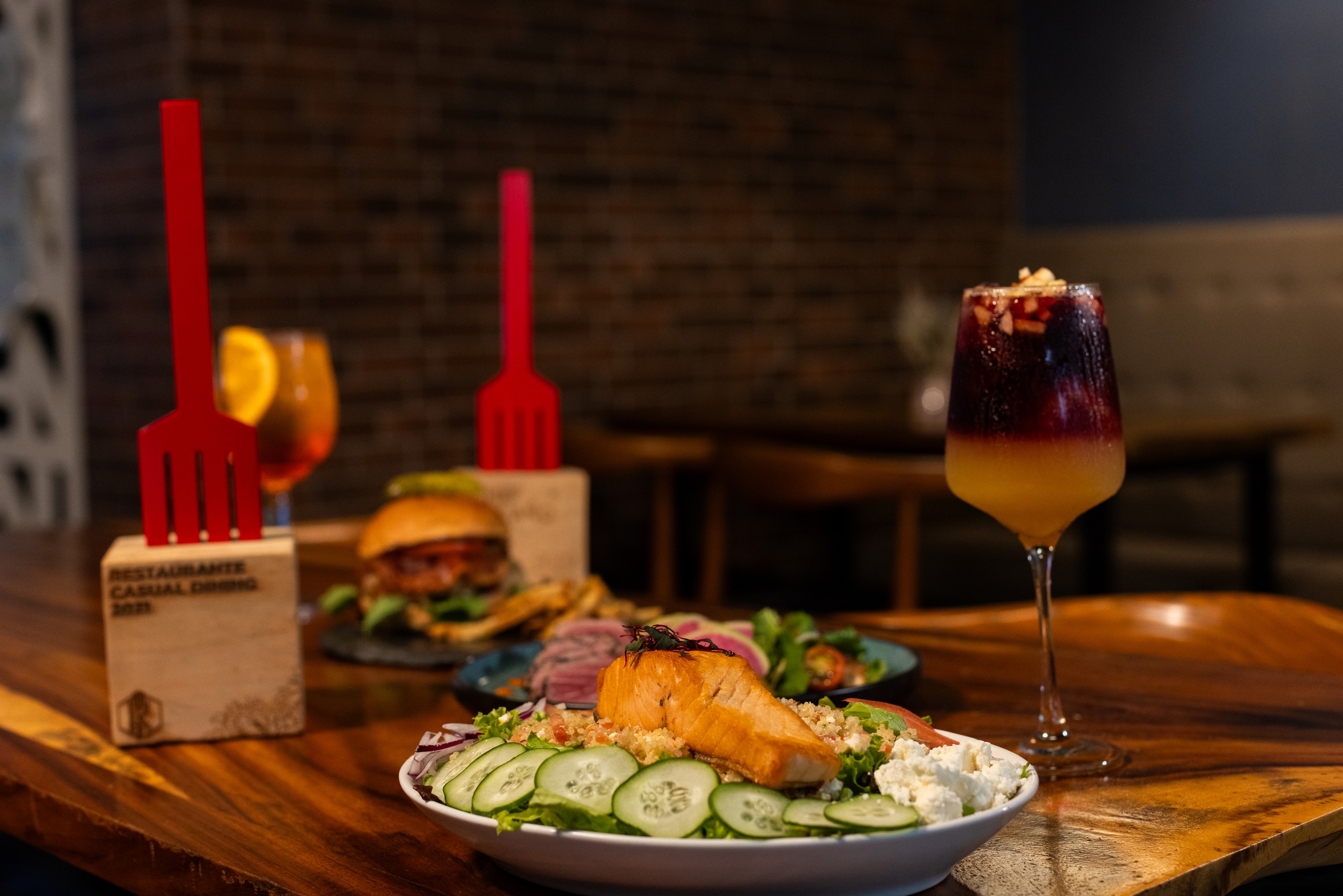
Gourmandises opened in 2016, with its relaxed, upscale vibes and high-quality food drawing people from across the city from day one. Both Vero and the restaurant have won national accolades, with Vero winning the inaugural Red Fork Chef of the Year award in 2019 and Gourmandises picking up the Casual Restaurant of the Year award in 2021. Vero has also been recognized as one of E&N magazine’s Defiant Women in 2023, a list that highlights women challenging conventions and making an impact in Central America.

“We want to create a casual atmosphere for our customers, but where the food is, well, delicious.”

Gourmandises, San Salvador

Gourmandises draws inspiration from French bistro culture, not only with its French-inspired offerings, but also with its all-day approach. They offer breakfast, brunch, lunch, and dinner, opening as early as 7 a.m. most days and closing after 9 p.m. every day except Sunday.

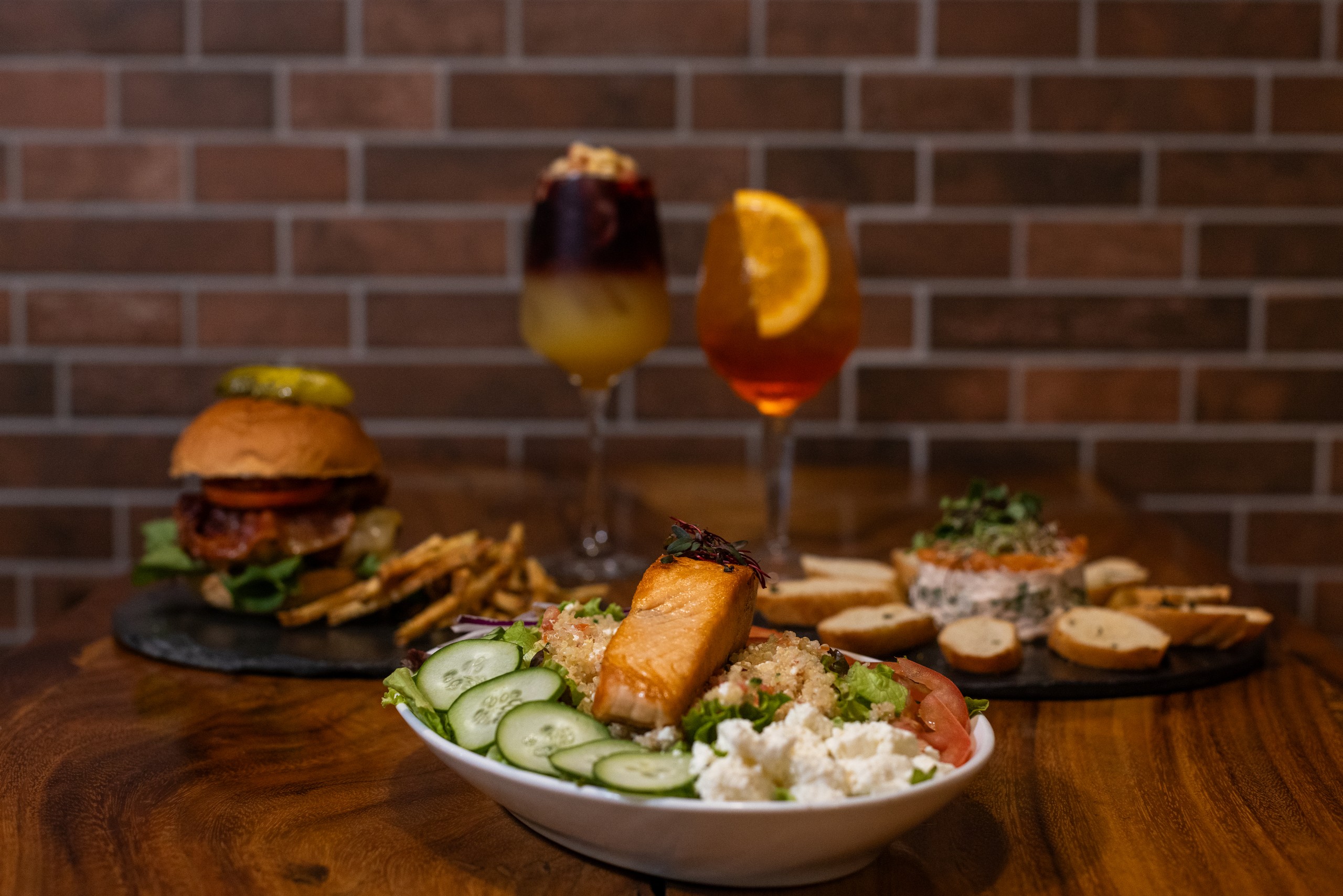
“Two dishes in particular that best represent the experience of Gourmandises,” offers Luis, “are the hamburguesa maison, which is the house burger, and the steak frites, a classic French dish you’ll find in any French restaurant—simple but always delicious.”

The story for Gourmandises and Vero, however, doesn’t stop at one location. Since opening Gourmandises ten years ago, she has launched two other concepts next door: The Food Lab, a more casual laid-back location with a focus on feel-good street food; and Mezzo, an authentic Mediterranean grill.

Vero’s story and that of Gourmandises not only shine a spotlight on an incredible and innovative Salvadoran chef, but also display the Salvadoran spirit of resilience and creativity: seeing an opening and rising to the challenge through creative, entrepreneurial endeavors.

Follow


Read More Interviews

Read More Interviews

Continue reading

Coast of Opportunity

Interviews

Coast of Opportunity

August 2025

Sat in front of a rack of surfboards donning a cap that spells the name of his restaurant, Antoine quite simply fits in perfectly with the El Zonte aesthetic. “I’ve been coming here on surf trips for about twelve years,” he says, “originally it was really just the waves, the quality of the waves, the consistency of the waves, the warm water, the tropical vibes.” It wasn’t until he brought his father for a birthday trip that he made a decision that would change his life for good.

El Salvador is one of the world’s top surf spots—always has been. In the past, surfers tended to skip the destination anyway; it wasn’t worth the risk. But Antoine watched as El Salvador finally broke free from its past and caught the attention of those who’d previously stayed away, and with his father, he opted to seize the moment: “We thought it was full of opportunity. We’ve always been very passionate about the food and drinks industry, so we decided to make the move.”

Antoine, alongside his wife, dad, and two dogs, upped sticks and made a permanent home of El Zonte. In no time, they’d made friends in the area. “One of them had a little shack on the beach here,” he says, “he wasn’t really doing much with it, so he told us we could rent it. It was really just a small box. That’s why we’re called La Cajita; la cajita means little box.”

La Cajita started out with crêpes and coffee, a nod to Antoine’s French roots and the years he’d spent in California. Eventually, La Cajita adopted a burger menu: “We were doing a California-style smash burger that got a lot of attention.”

Once the restaurant began accepting bitcoin, even more doors opened. “Accepting bitcoin and being able to pay in bitcoin has been really helpful for us,” Antoine tells us, “we’ve been getting a lot more business, we’ve been able to use it to buy our groceries for the restaurant, and we’ve been trying to save as much as possible. We’re stoked to be part of the movement.”

La Cajita soon outgrew its little box. In late 2025, Antoine opened a bigger restaurant right by the waves. Now he seeks to give back to the town that has given him so much: “The community’s been terrific for us. We’ll be doing live music, DJs, and dance parties. We’re still at the beginning, but we’ll be doing all kinds of stuff that’s for the community and for us to all have a good time together.”

Follow


Read More Interviews

Read More Interviews

Continue reading

Blossoming Against the Odds

Interviews

Blossoming Against the Odds

September 2025

Motivos is located in San Salvador’s Zona Rosa district, a favorite amongst locals and visitors. Its streets are lined with cafés, bars, restaurants, and boutiques bustling with life both day and night. The area is peppered with murals and street art and also houses two of El Salvador’s most reputable museums.

However, like in many cities around the globe, things looked very different during the pandemic. Yet still, it was right then that Rodrigo Moreno, founder of Motivos, decided to pursue his passion. “Motivos is a dream come true that combines the flavors of coffee with gifts,” he tells us, “it was born during the pandemic and created to send messages of love through food.”

“The goal of Motivos is to make every day count.”

As San Salvador’s first coffee and flower shop, Motivos found a niche. Granted, times changed quickly as the capital continued its transformation under President Bukele’s leadership, and when he saw the café landscape expand and competition grow, Rodrigo knew his business had to adapt.

“We started accepting bitcoin when the country opened up to the world with the Bitcoin Law,” Rodrigo says, “we did it to support the government and the country’s image but then realized it was also a tool to differentiate ourselves from the competition and reach a community that shares our values.”

Motivos, San Benito

But things didn’t stop there. As the city flourished around him, Rodrigo, forever the entrepreneur, chose to adapt once more: “With the change in the image of our nation and the arrival of more international visitors, we decided to open for brunch and create the first coffee-and-flower shop that offers brunch all day, every day.”

Unique food offerings are not the only reason Rodrigo believes Motivos has survived and thrived in a time that brought many businesses to their knees. “Choosing quality ingredients and making totally uncommon products such as our chocolate flowers or our chocolate coffees sets us apart from other coffee shops. Our most popular gifts are undoubtedly our chocolate-covered strawberries, and one of the things we like most is seeing fathers come in to buy flowers for their daughters, simply as a way to make every day count.”

Sitting proudly among the hustle and bustle of Motivos, Rodrigo smiles as he shares his vision: “Our dream continues to grow; we want to become El Salvador’s premier brunch spot. Given that El Salvador is experiencing a different reality and the country is now opening up to the world, I invite other entrepreneurs to join this movement.”

Follow


Read More Interviews

Read More Interviews

Continue reading

From Curfews to Coldbrews

Interviews

From Curfews to Coldbrews

August 2025

In the bustling heart of the capital, right across from the National Theater and just a stone’s throw from famous landmarks such as the National Palace and the BINAES, a local fan favorite serves Salvadoran specialty coffee to the population and a growing crowd of tourists.

Since its inception in 2018, Café Fulanos has grown into a beloved space for breaks and conversation—but such tranquil scenes were unthinkable in Centro Histórico just a couple of years ago.

Café Fulanos, Centro Histórico

When Café Fulanos opened its doors, El Salvador was still healing. Gang violence had reached its tragic peak in 2015, when El Salvador became the world murder capital. At the center of this sat Centro Histórico, which was firmly in the grip of rivaling gangs. In the same year, Nayib Bukele became mayor of San Salvador and began securing the streets, transforming the heart of the capital into a quiet, low-traffic area under the control of law enforcement, with daily curfews for businesses.

Café Fulanos lived through this time, a constant in a rapidly changing landscape. Owner and founder Carlos Cárcamo lets us in on the reason behind his decision to open his coffee shop right here in Centro Historicó: “We decided to make a change from within, because we wanted this historic area to reclaim itself and change history.”

To do so, Fulanos had to create a sense of security and trust in a neighborhood with a chequered past. This, in part, inspired the name “Fulanos,” the Salvadoran term for an unspecified person or persons (think, “dude”). Fulanos is a café for everybody, in both style and nomenclature.

“We decided to make a change from within, because we wanted that historic area to reclaim itself and change history.”

As Mayor Bukele became President Bukele in 2019, progress accelerated rapidly in Centro Histórico. Security increased and investments began pouring into the area. Café Fulanos could extend its operating hours, and more and more guests, both local and international, began frequenting the establishment.

Ever since, Café Fulanos has continued to be a fiercely innovative brand, celebrating third-wave coffee culture and the progress of the industry. The café offers local and international sweet treats and savory dishes alongside specialty menu items such as pour-over, Aeropress, and drip coffee—brewing methods that bring out the very best in specialty coffee. Fulanos has also embraced Bitcoin since it was made legal tender in 2021. Founder Carlos Zamora explains, ”we started accepting bitcoin because it aligns with our brand philosophy. We are an innovative brand and want to be part of this new trend.”

“The center went from being a place where no one wanted to come to a point of pride for the entire country.”

With Centro Histórico reclaiming its vibrancy and status as a must-visit area of the Salvadoran capital, customers sit, relax, and gather all day long in the welcoming space that is Café Fulanos. Others drop in, greeting their favorite baristas with handshakes and fist bumps before grabbing a signature cold brew and going about their day.

Some head to work, others visit the neighboring Captain Gerardo Barrios Plaza to explore the national landmarks which now stand as proud symbols of a country that has bounced back like no other. Gerson Benítez, investor in and partner at Fulanos, tells us, “the center went from being a place where no one wanted to come to a point of pride for the entire country.”

Follow


Read More Interviews

Read More Interviews

Continue reading